Judit and I went to the Design It Build It conference at the Royal Institute of Science to keep up-to-date with the latest ideas in design and technology.
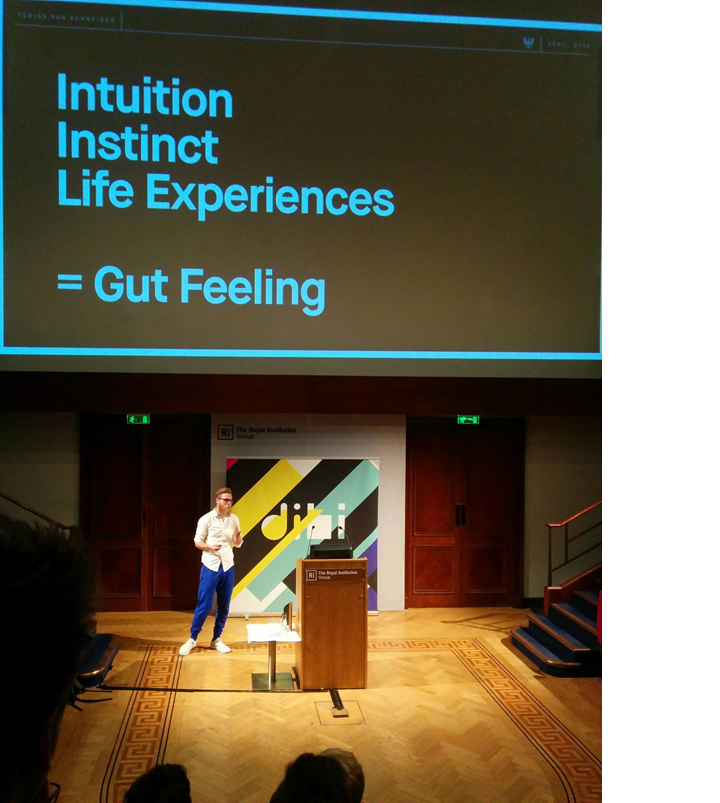
The day started with Tobias van Schneider with his controversial opening Keynote “Side Projects are Stupid”. Despite the title, his point was that we should indeed have side projects. But keep it simple, stupid.
Designers like to have side projects so they can exercise their creative skills and learn others. But that growth usually comes at a cost: no free time for family or friends.
With easier, more fun side projects, however, there are less excuses to avoid starting one (or abandoning it). He illustrated his argument with some of his simple, funny and yet successful side projects that brought him a lot of attention online. Millions-of-hits attention.
One of them is the Passive Aggressive Passwords (http://www.trypap.com/): a site with only a text input that gives rude feedback on what password is typed, such as “May god have mercy on your email account” and “Worst. Password. Ever.”. Who never felt frustrated meeting ever more demanding password criterias?
His other successful side project is Authentic Weather (http://authenticweather.com/), an app that explains the weather in a few candid words such as “Meh, just stay at home” and “It’s too damn hot”. The inspiration came when looking at other weather apps and being befuddled by the attractive yet unintelligible design. “I’m not a scientist, I just want to know if it’s going to rain!”
Josh Payton, VP of User Experience at Huge’s European offices, talked about his experience working there and Microsoft, Yahoo etc. He shared some tips like, again, having side projects and being a generalist. His point is that technologies change quickly so it’s more important to be comfortable learning new things than specialising only in a technology that won’t be around in 10 years time.
Frances Berriman gave us an insight into how it is to work on Gov.uk. The government online services suffered with a poor user experience across services that needed to be updated. After a huge investment and a team of superstar designers and other technologists the site won Design of the year 2013 from the Design Museum.
But this success didn’t come easy. They had to substitute a slow and traditional waterfall style of IT management to an Agile approach. Among the new practices, she highlighted the importance of quick iterations, pairing of designers with developers, guerilla testing involving the whole team. Finally, celebrating every small delivery in the middle of the office with show and tell so everyone can see it. But the coolest idea for me was the custom made stickers they had for small accomplishments like “10,000 visits” or “1 year live” etc.
Jane Austin spoke about “Designing the Design Team” and how important it is, as a manager, not to micromanage and trust the designers. Usually when people get very good at their jobs, they get promoted to a brand new role they’re not familiar with. New managers tend to carry on what they were doing before and get hands on, controlling every single aspect of the design. That leaves the team frustrated and the manager exhausted. With time she discovered that her job as manager is to block the noise and frame the right questions so the team can grow in the direction the business needs.
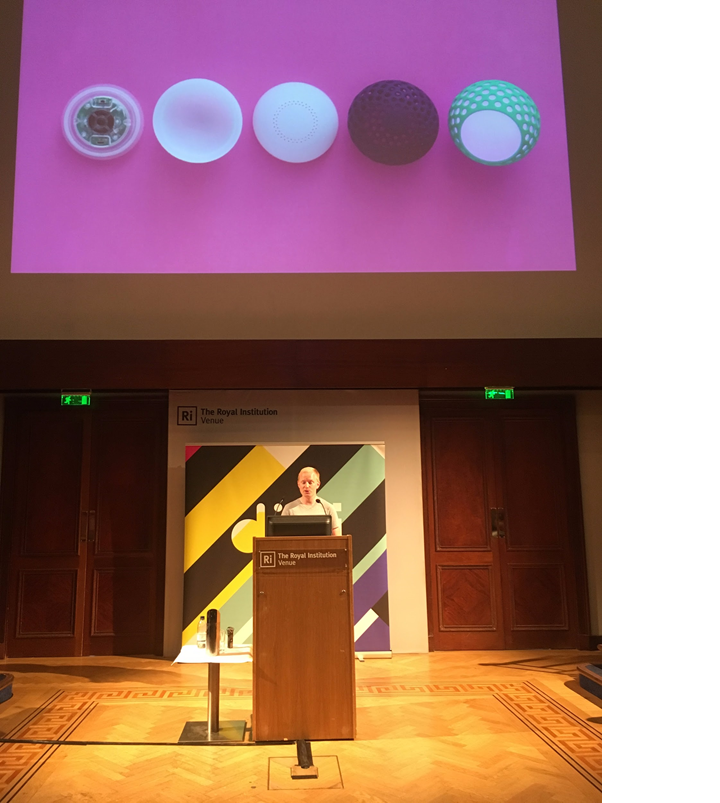
Peter Parkes shared with us Made by Many’s experience creating Hackaball (http://www.hackaball.com/). The company “side project” was a huge Kickstarter success and considered by Times magazine one of the best inventions of 2015. Not only that, it taught the business lessons needed to enter the Internet of Things business.
From a research challenge briefed to interns, to Arduino prototyping, testing with kids and trips to China to perfect the pieces of the hardware. Now they can confidently and proudly say that they are part of IoT.
Then came the build part of the day. I’m no techie, so I’m sorry if this report doesn’t go into too much detail.
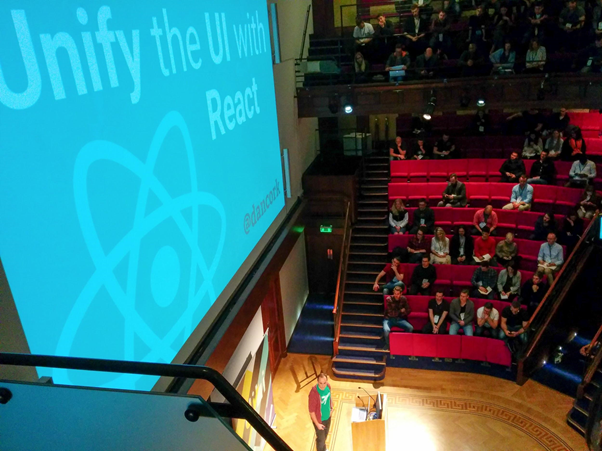
Dan Cork told us his embarrassing but enlightening experience managing CSS on HolidayExtras.com.
One day, he started finding too many Internet Explorer bugs. More than the browser usually inflicts on UI developers. Turns out, it has a limit of 4,096 selectors and new selectors weren’t being applied. After an investigation, he realised they had around 10 different classes for 10 different shades of yellow, all very similar to each other. Same for blues and other colours.
To fix that he used component-based React and Brad Frost’s Atomic Design techniques to restyle the site.

Marc Cedaro took the stage to talk about a similar problem: Zombie Code. He shared his refactoring tips and other ways to improve developer’s productivity, like learning to say no to sneaky, unapproved change requests from other areas of the business.

Finally, Stefanie Posavec shared with us her experience working with data and transforming it into something beautiful.
Her introduction to the world of data was before the “renaissance”, in the past few years. Her MA project was a data visualisation of Jack Kerouac’s On The Road. Without knowing how to code, she highlighted every word to create a beautiful visualisation of themes.
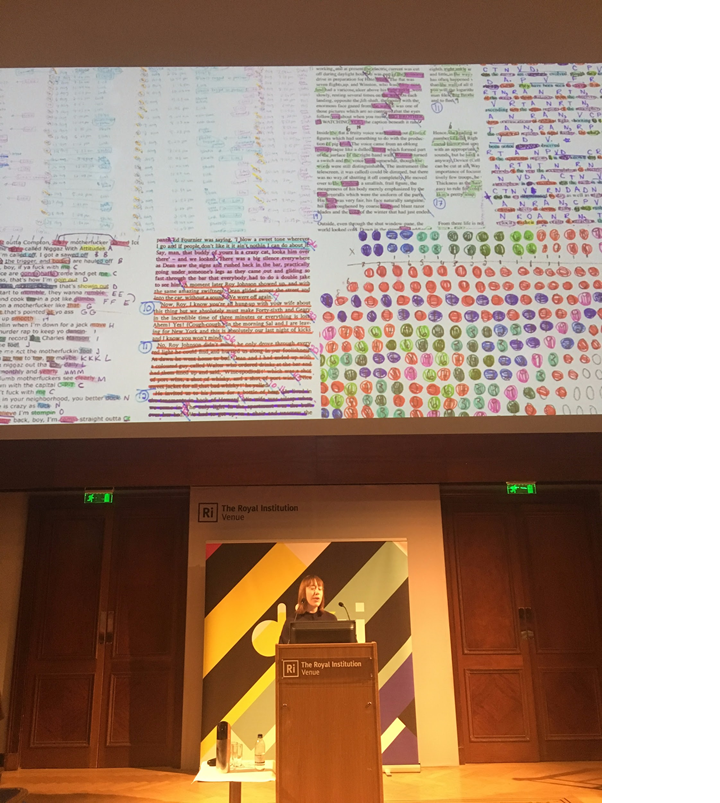
She talked about other awe-inspiring projects, but the most impressive was the one with Giorgia Lupi, Dear Data. They decided to post hand-drawn infographics about their daily lives: how many times they said thank you. How many times they swore etc so they could get to know each other better. The award-winning project is now a book.
Design It Build It certainly was very inspirational and we have come away reinvigorated and with new techniques to benefit our work and our clients.
Could your business benefit from some of the ideas discussed? Do you want your existing site delighting your users and bringing more conversions to your business? If so, call us on 020 7977 9230 or email us on hello@dock9.com